
FAQs
When damage from fire, soot, water or mold occurs at your home or business property - the cleanup process can feel overwhelming, isolating and frustrating. But there's no need to go through this alone! The restoration experts from Craftech are here to help every step of the way. We answer some of the Frequently Asked Questions below, so you know where to start and what to expect if you ever find yourself in unforeseen circumstances.
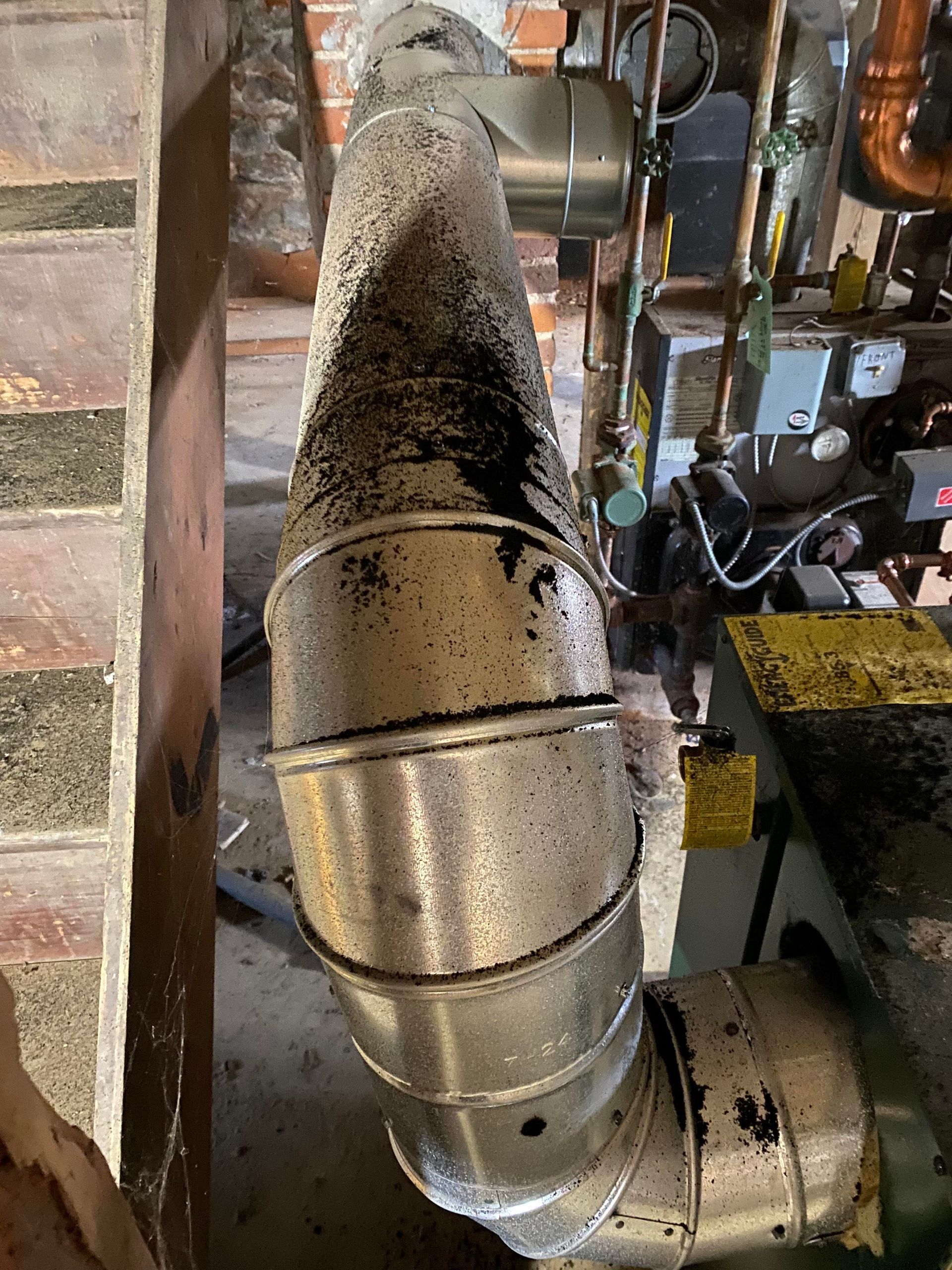
If your Plumber or HVAC technician pointed out soot in your home, here’s what that means and what to do next.
Is soot a problem?
Soot is a fine black or dark gray residue created when fuel does not burn completely. It often happens after furnace malfunctions, oil burner issues, puff-back events, or small fire incidents.
It can look like black dust, smudges, or a greasy residue that spreads when wiped.
Soot does not always stay where you see it. It can travel through your HVAC system and spread into other rooms when the system runs. Even a brief furnace issue can send soot through ductwork.
That’s why it’s important to have it evaluated properly.
Can I clean it myself?
Soot is very different from normal household dust.
It is oily, fine, and often acidic. That means:
It smears easily and can permanently stain surfaces
It can leave strong odors without proper cleaning products
If not cleaned correctly, stains can bleed back through fresh paint
It can settle on walls, ceilings, furniture, and personal belongings
Improper cleaning can spread the residue further or make staining worse.
Our professional cleaning team uses industry-standard methods and products to safely remove soot and prevent long-term damage.
Will replacing my furnace fix it?
Replacing or repairing the furnace fixes the mechanical problem — but it does not remove the soot that may have already spread through the home.
If soot traveled through the system, it can remain in:
Ductwork and vents
Walls and ceilings
Insulation
Furniture and personal belongings
Soot inside ductwork often requires specialized cleaning. Simply installing new equipment does not remove residue that has already circulated.
Addressing both the cause and the contamination is what prevents ongoing staining and odor issues.
Will insurance cover soot damage?
In many cases, soot caused by a sudden furnace issue or puff-back may be covered by homeowner’s insurance.
Every policy is different, so coverage depends on your specific situation.
If you’d like, we can inspect the damage, document what we find, and help you understand what your next steps might look like.
What Should I Do Now?
If soot has been identified in your home:
Make sure the furnace or mechanical issue has been inspected and repaired. Ongoing combustion problems should be corrected before cleaning begins.
Avoid attempting to wipe, scrub, or vacuum affected areas. Soot can smear and become more difficult to remove.
Contact Craftech to schedule a professional inspection.
Have questions? Call us. We’ll give you clear answers and help you decide what makes sense for your unique situation.